The Overlooked Blood Marker That May Be Affecting Artery Health — And Why Diet & Exercise Alone Might Not Be Enough
A growing number of researchers are investigating a little-known compound linked to circulation, weight regulation, and cardiovascular function.
For years, the standard advice has remained the same: eat better, exercise more, reduce salt. And while those habits matter, many people still struggle with maintaining healthy blood pressure and weight — even when doing everything “right.”
So what’s being missed?
Recent discussions in the scientific community suggest there may be another factor involved — one that isn’t commonly talked about in everyday health conversations.
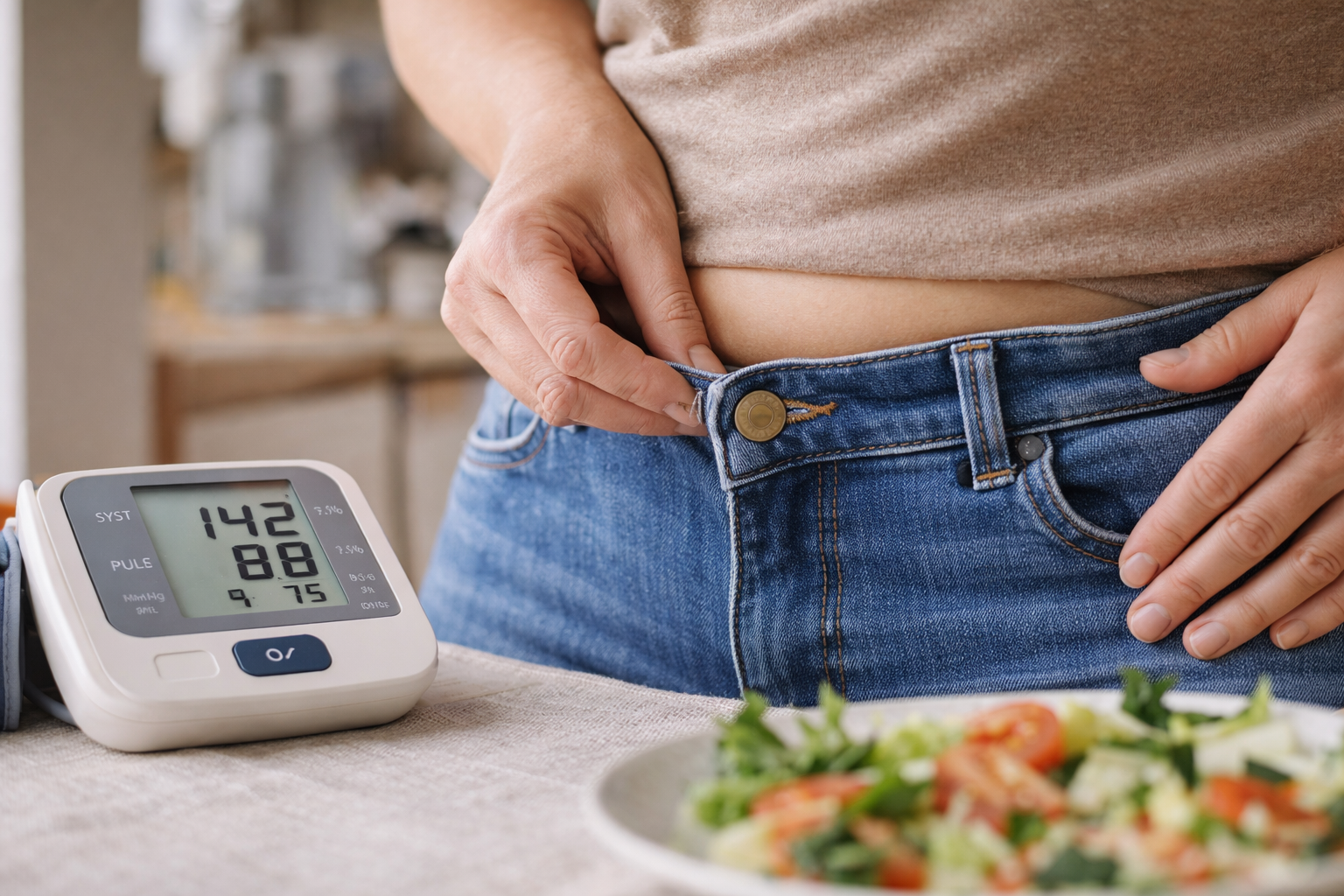
A Compound Few People Ever Hear About
This factor is known as homocysteine.
It is a naturally occurring compound in the body. But when levels become elevated, some researchers believe it may influence several important processes related to cardiovascular and metabolic wellness.
Researchers have explored its potential relationship with:
- Circulation efficiency
- Arterial flexibility
- Metabolic processes linked to weight balance
- Overall cardiovascular function

What makes this especially interesting is that many people may have never heard of it — despite ongoing attention from health researchers and wellness experts.
Why Some People Feel Like Nothing Is Working
This idea is gaining attention because it may help explain a frustrating pattern:
- Some people improve their routines but still do not see the progress they expected
- Others continue dealing with stubborn weight that seems resistant to change
- And many keep searching for a missing piece they were never told to look for
In other words, it may not always be about a lack of effort.
In some cases, it may be about an overlooked internal imbalance that standard wellness advice does not directly address.
A Short Presentation Is Explaining More
View the brief video now to see why this overlooked blood marker is drawing attention.
WATCH THE VIDEOA Clue From One of the World’s Longest-Living Regions
Interest in this topic grew even more after researchers examined regions often referred to as “Blue Zones” — places where people are widely known for living long, active lives.
One of the most talked-about examples is the Nicoya Peninsula in Costa Rica.
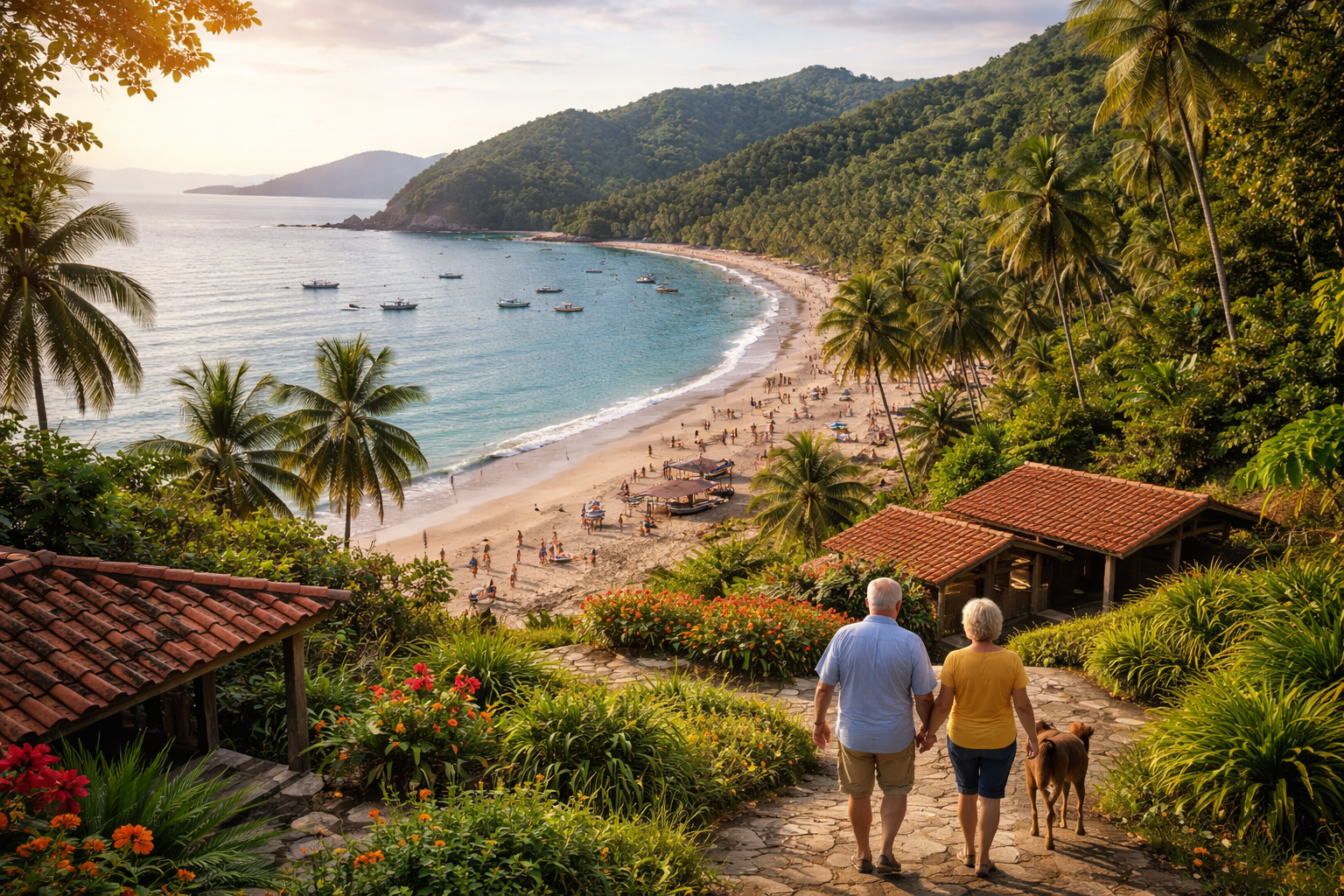
Observers noted that many people there appear to maintain:
- Active lifestyles well into older age
- Balanced metabolic function
- Strong cardiovascular wellness markers
- Daily routines centered around simple natural habits
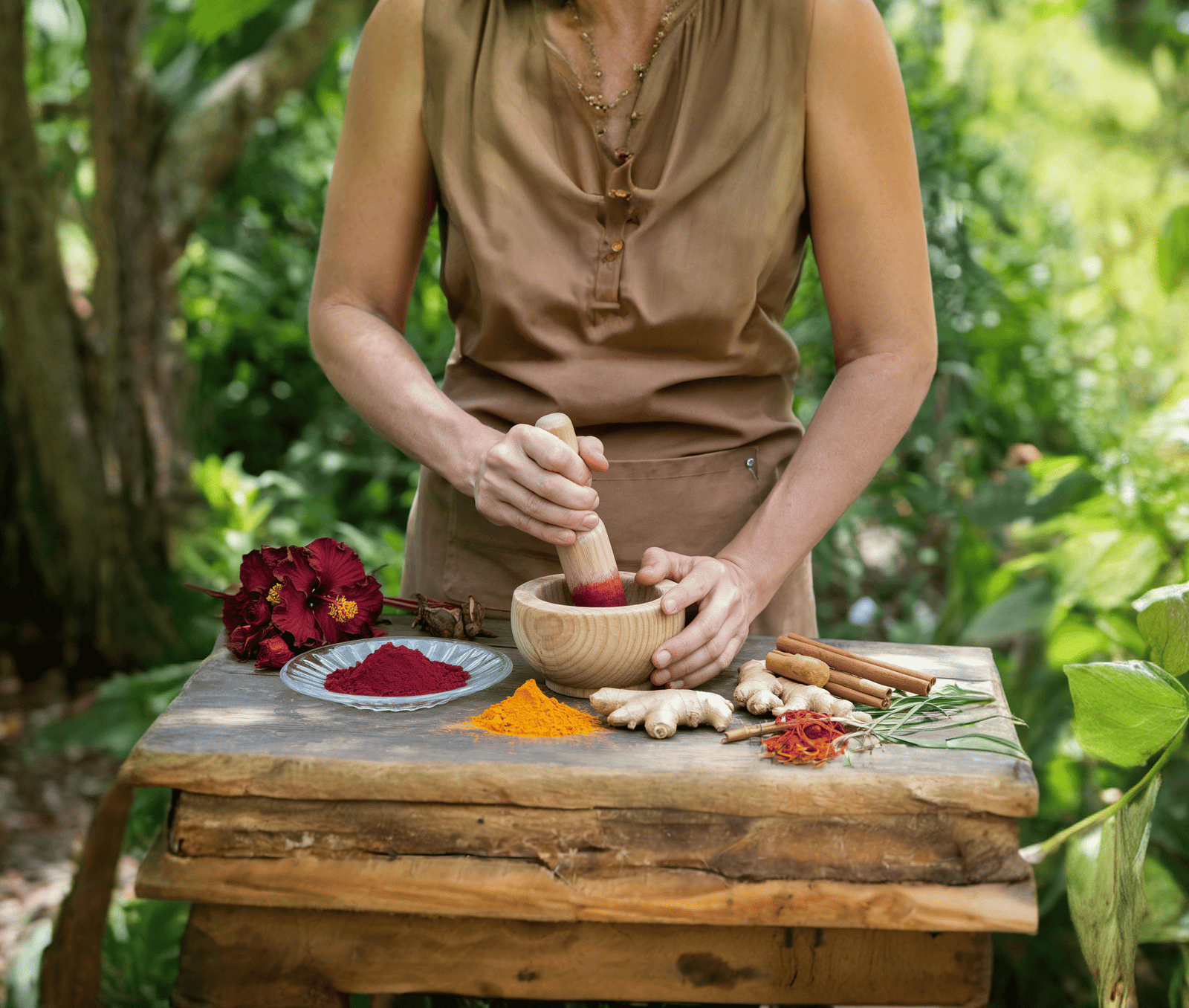
Among those habits, one detail stood out: a traditional routine involving specific plant-based compounds found in local preparations.
What Researchers Are Looking At Now
These naturally occurring compounds are now being studied for their potential role in supporting:
- Healthy homocysteine balance
- Circulatory wellness
- Metabolic efficiency
- Daily cardiovascular support
That has led to increasing interest in how certain plant-based nutrients may complement modern wellness routines — especially for individuals who feel like conventional strategies have not fully addressed the issue.
And according to recent conversations around this topic, the key insight may be surprisingly simple:
Why This Short Presentation Is Getting Attention
A short educational video was recently released explaining:
- How homocysteine may affect the body
- Why traditional approaches do not always seem to solve the problem completely
- What researchers are now studying more closely
- How plant-based compounds may support a more complete wellness strategy
For many viewers, this information connected dots they had never seen explained clearly before.
Watch the Short Presentation Now
Learn why this overlooked blood marker is drawing attention — and what researchers are exploring as a possible missing piece for cardiovascular and metabolic support.
WATCH THE VIDEO
I had never heard of homocysteine before. This was one of the first explanations that actually made me want to keep reading.
What stood out to me was the part about doing all the usual things and still not getting results. That’s exactly how I’ve felt.
The Costa Rica section was fascinating. I clicked through to the presentation because I wanted the full explanation.
This feels very different from the usual “just eat less and move more” advice. Curious to see how the full video explains it.