Researchers Are Taking a Closer Look at an Overlooked Link Between Gut Health and Aging Skin

For years, most conversations about aging skin focused on what happens on the surface.
Creams, serums, and cosmetic routines promised to smooth wrinkles, improve texture, and restore a more youthful appearance.
Yet many adults quietly noticed something frustrating: even with consistent skincare, their complexion still seemed duller, less resilient, or more reactive than before.
That led some researchers to start asking a different question.
What if visible changes in the skin were not beginning on the outside at all?
What if the real trigger was happening deeper inside the body?

Over the past several years, scientists studying what is often called the gut–skin connection have been exploring how the health of the digestive system may influence the way skin looks and feels over time.
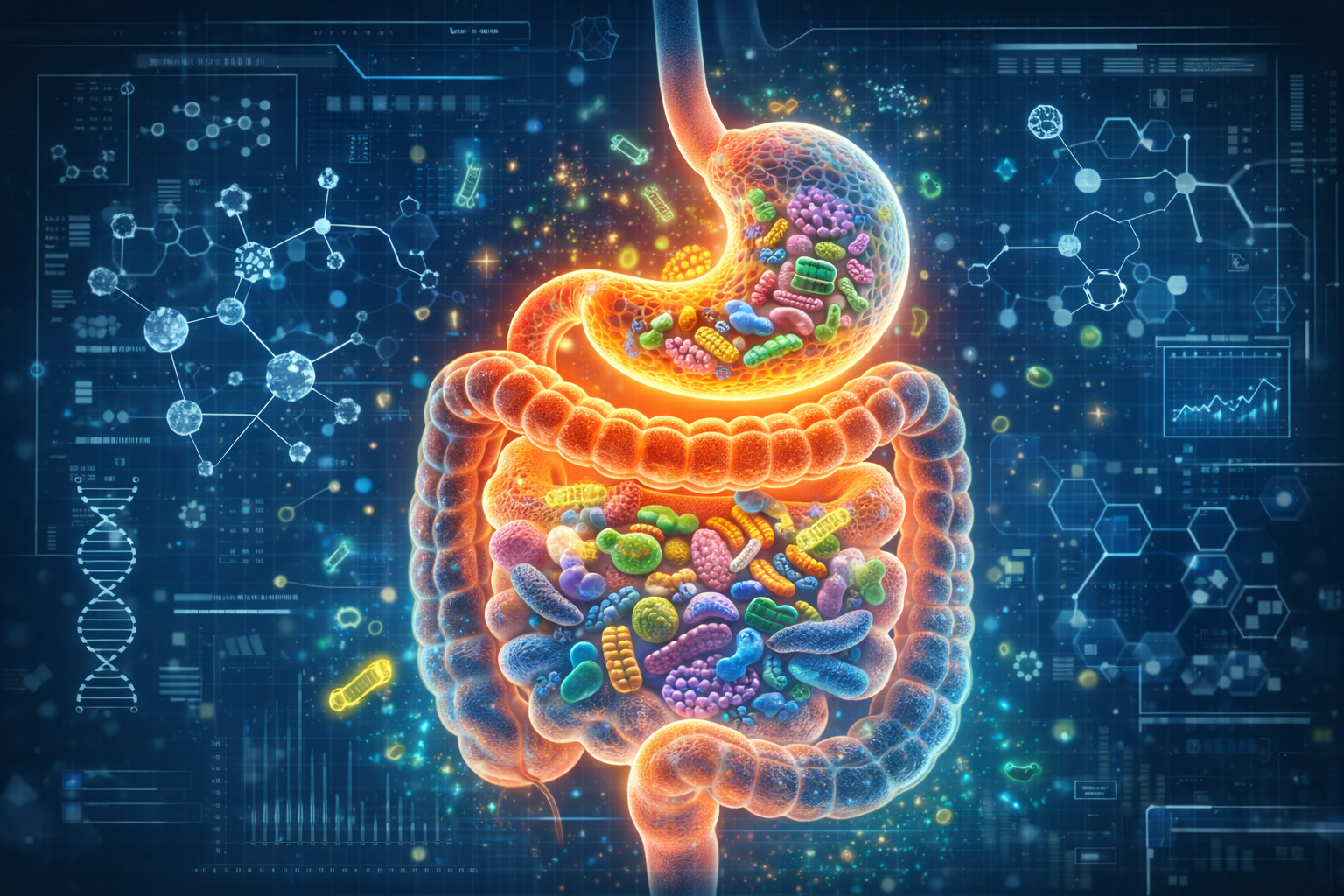
The digestive tract contains trillions of microorganisms collectively known as the gut microbiome.
These microorganisms help support digestion, nutrient absorption, and a wide range of internal processes related to overall balance in the body.
According to a growing body of research, those same internal processes may also play a role in how skin renews itself and responds to the effects of aging.
When the gut environment becomes less balanced, the body may struggle to fully utilize certain nutrients involved in healthy skin renewal and daily vitality.
This may help explain why many adults begin noticing changes such as uneven texture, less radiance, and a complexion that no longer looks as refreshed as it once did.
If you are over 35 or 40, you may have already noticed some of these shifts.
Skin may feel drier than before. Digestion may feel less predictable. Energy may fluctuate more throughout the day.
Most people assume these changes are simply part of getting older.
But some researchers now believe the story may be more complex.
In laboratory settings, scientists have begun paying closer attention to specific beneficial bacteria and plant compounds that appear to support a healthier microbial environment.
This has opened the door to a new line of inquiry: whether supporting balance in the gut may also help support the skin from within.
For many observers, this represents a major shift in how skin wellness is understood.

Interestingly, researchers studying communities known for healthy aging habits have noticed that many traditional lifestyles include plant-based routines associated with digestive balance and long-term vitality.
These habits were never designed as beauty routines. Yet modern researchers are now asking whether their effects on internal balance may also influence the appearance of the skin over time.
During generations, certain traditional ingredients were consumed not for cosmetic reasons, but as part of everyday wellness rituals tied to digestive comfort, resilience, and energy.
Only recently have scientists begun examining how some of these botanical compounds may interact with beneficial gut bacteria and the body’s natural renewal processes.
What caught the attention of researchers was not just the tradition itself, but one especially intriguing part of the process.
As scientists looked more closely at the gut–skin connection, they began paying attention to a particular combination of probiotic support and botanical compounds that appears repeatedly in discussions about digestive balance and visible skin wellness.
Today, this connection is becoming the subject of growing curiosity among people who are interested in supporting both internal wellness and how they look on the outside.
A short presentation now explains what researchers are exploring, why the gut–skin relationship has drawn so much attention, and what makes this daily internal approach different from surface-level solutions.
Watch the short presentation explaining the gut–skin discovery researchers are discussing.
Presentation length: 9 minutes
Research Sources
1. Salem I, Ramser A, Isham N, Ghannoum MA. The Gut Microbiome as a Major Regulator of the Gut-Skin Axis. Frontiers in Microbiology.
2. O'Neill CA, Monteleone G, McLaughlin JT, Paus R. The Gut-Skin Axis in Health and Disease. Nature Reviews Gastroenterology & Hepatology.
3. De Pessemier B, Grine L, Debaere M, Maes A, Paetzold B, Callewaert C. Gut-Skin Axis: Current Knowledge of the Interrelationship Between Microbial Dysbiosis and Skin Conditions. Microorganisms.
4. Lynch SV, Pedersen O. The Human Intestinal Microbiome in Health and Disease. New England Journal of Medicine.
5. Kim HS, Yun JW, Shin TH, et al. Potential Role of Probiotics in Skin Health Through Gut Microbiome Modulation. Journal of Microbiology and Biotechnology.
6. Buettner D. The Blue Zones: Lessons for Living Longer From the People Who've Lived the Longest. National Geographic Society.
