Cardiologists Were Focused on Cholesterol… Until a Hidden Blood Compound Started Appearing in Heart Studies
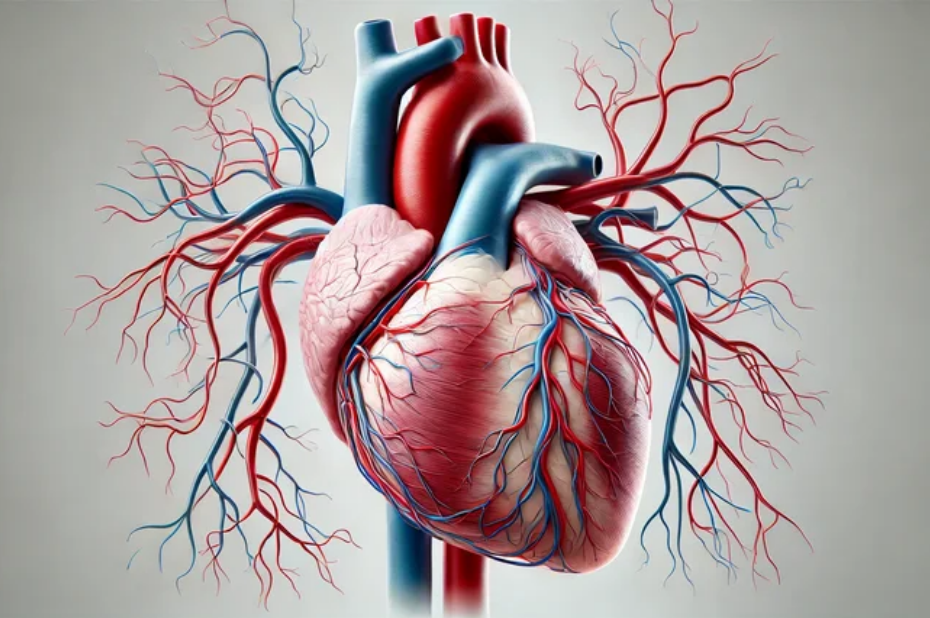
For years, conversations about heart health often focused on one familiar word: cholesterol. But during routine checkups, many adults also begin paying closer attention to another important number — their blood pressure. Together, these markers are often discussed when doctors talk about circulation and cardiovascular balance.
Recently, however, some researchers have started exploring whether other metabolic markers in the blood may also play a role in how the body maintains healthy circulation over time.
The scientists began noticing another compound quietly appearing in cardiovascular research.
A compound many adults have never heard about — yet researchers are now studying how it may influence circulation, metabolism and arterial flexibility.
If you’re over 45, you may have noticed subtle changes.
Energy doesn’t last as long as it once did. The waistline becomes harder to control. Routine checkups sometimes reveal numbers that weren’t there before.
Most people assume this is simply aging.
But researchers are discovering the story may be more complex.

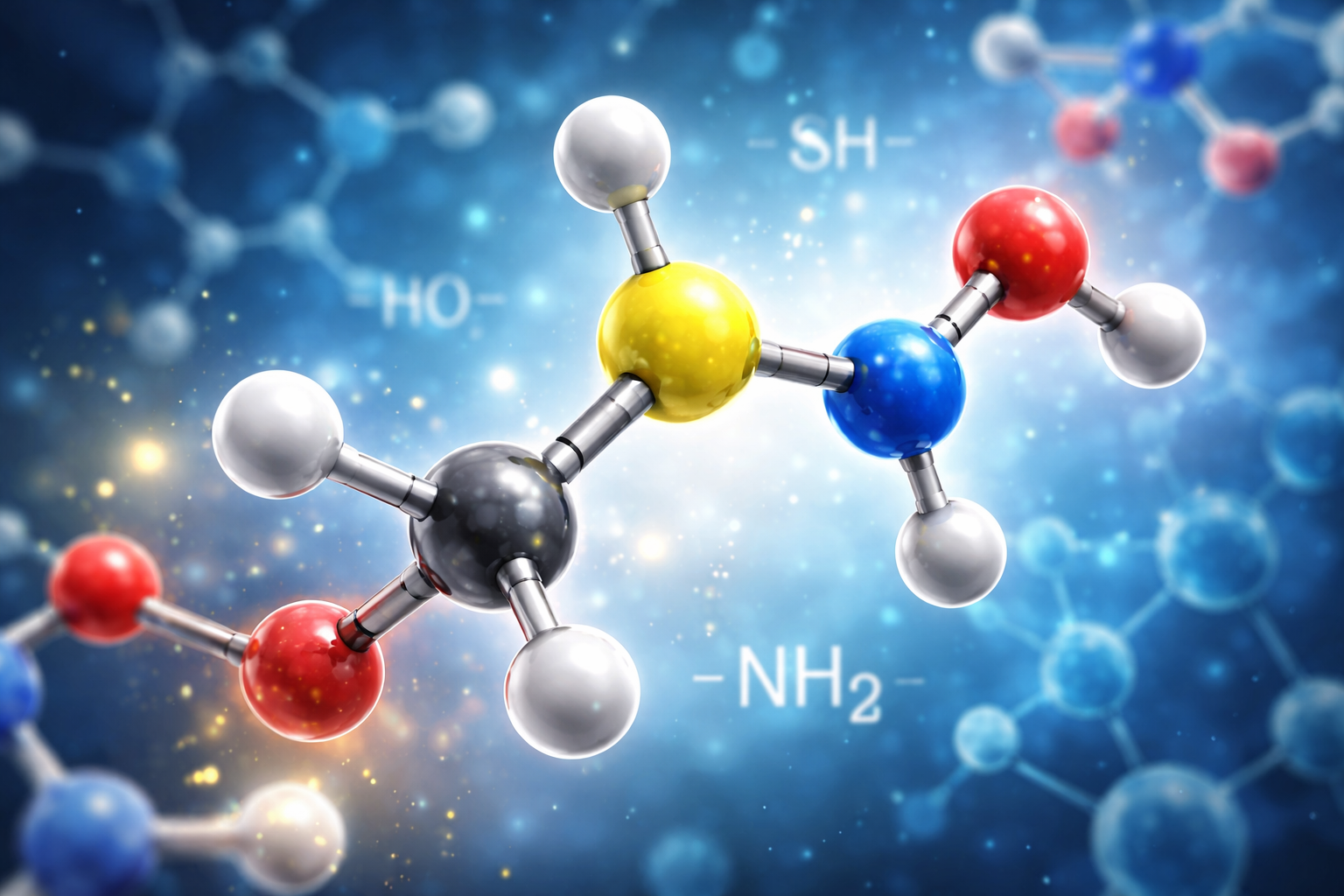
One compound drawing attention from researchers is called homocysteine.
In balanced levels it plays a normal role in the body. But when that balance shifts, studies suggest it may influence vascular tension and metabolic efficiency.
This discovery has led scientists to explore how lifestyle habits might support healthier metabolic balance.

Interestingly, researchers studying the world’s longest-living populations noticed something remarkable.
In regions like the Nicoya Peninsula in Costa Rica, one of the world’s famous Blue Zones, residents maintain exceptional vitality well into later life.
These communities follow a simple daily ritual rooted in plant-based traditions.
Only recently have scientists begun examining why these habits may support circulation and metabolic balance.
For generations, locals have consumed a blend of botanical ingredients believed to support metabolic resilience.
Modern researchers are now exploring how certain plant compounds may influence circulation and energy balance.
Watch the presentation explaining the Costa Rican ritual researchers are studying.
Presentation length: 12 minutes
Scientific References
1. Humphrey LL, Fu R, Rogers K, Freeman M, Helfand M. Homocysteine Level and Coronary Heart Disease Incidence: A Systematic Review and Meta-analysis. Journal of the American Medical Association (JAMA).
2. Clarke R, Daly L, Robinson K et al. Hyperhomocysteinemia: An Independent Risk Factor for Vascular Disease. New England Journal of Medicine.
3. McCully KS. Homocysteine and Vascular Disease. Nature Medicine.
4. Buettner D. The Blue Zones: Lessons for Living Longer From the People Who've Lived the Longest. National Geographic Society.
5. Wald DS, Law M, Morris JK. Homocysteine and Cardiovascular Disease: Evidence on Causality from a Meta-analysis. British Medical Journal (BMJ).
6. O'Keefe JH et al. Lifestyle Strategies for Cardiovascular Health and Longevity. Journal of the American College of Cardiology.
